Cloud-Native Architecture
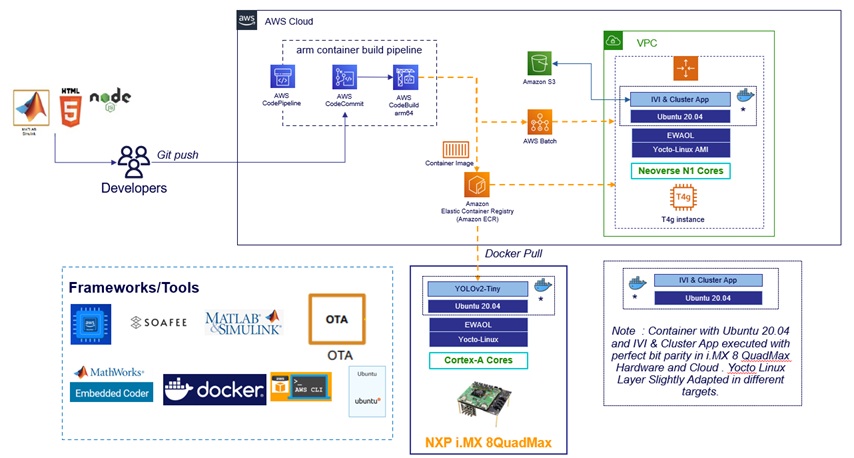
Cloud to Edge implementation of Automotive features built using AWS Graviton EC2 instance deployed on NXP iMX8 hardware.
System of System Testing
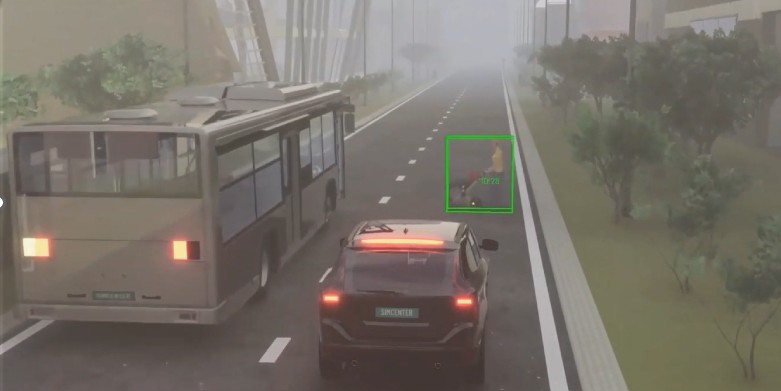
The integration of the Siemens PAVE360 toolchain enables early, high‑fidelity verification and validation of automotive safety‑critical features within a virtualized environment. Through seamless coupling with Cognizant’s digital cluster, Siemens PAVE360 supports comprehensive AEB Car‑to‑Car and AEB Car‑to‑Pedestrian scenario testing, creating a robust digital twin framework for object detection, perception, planning, and forward‑collision warning functions.
This virtual ecosystem allows engineering teams to evaluate complex system‑of‑systems behaviors long before physical prototypes exist. For example, forward‑collision warning logic can be exercised across diverse traffic, environmental, and sensor‑fusion conditions, ensuring the system reliably provides timely visual alerts to help drivers avoid imminent collisions. By leveraging PAVE360’s end‑to‑end simulation capabilities, organizations can accelerate development cycles, improve safety performance, and reduce the cost and risk associated with traditional testing.
Functional Safety
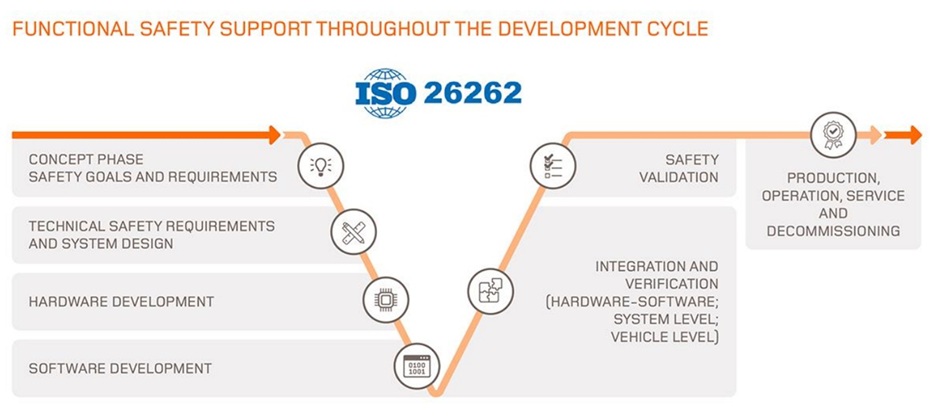
I bring extensive experience in Functional Safety engineering with a strong focus on ISO 26262 and SOTIF (ISO 21448), spanning concept development through system integration and validation. My work includes defining safety goals, performing HARA and SOTIF hazard analyses, developing functional and technical safety concepts, and ensuring end‑to‑end compliance across complex automotive architectures. I have led cross‑functional teams in implementing safety mechanisms, validating safety‑critical features through simulation and digital‑twin environments, and establishing traceability from requirements to verification artifacts. My background in SDV enablement, ADAS/AD functions, and advanced simulation toolchains—such as Siemens PAVE360—strengthens my ability to evaluate system behavior under uncertainty, address performance limitations, and ensure robust safety-by-design. I consistently drive clarity, rigor, and alignment across engineering, suppliers, and leadership to deliver safe, reliable, and certifiable automotive systems
Cybersecurity
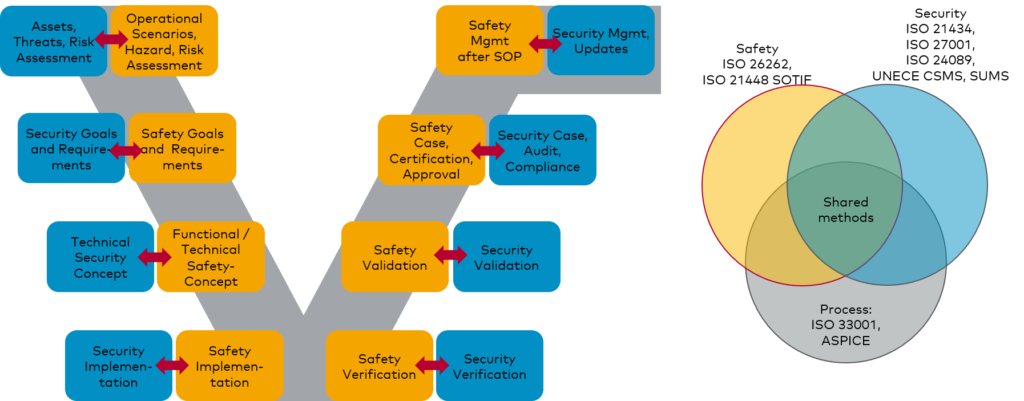
I have deep experience in Autonomous Vehicle Cybersecurity, with a focus on securing perception, planning, and control systems across the Aurora ecosystem. My work spans threat modeling, risk assessment, and implementation of cybersecurity controls aligned with ISO/SAE 21434, ensuring that safety‑critical AV functions remain resilient against evolving cyber threats.
CAN-FD, J1939 Implementation
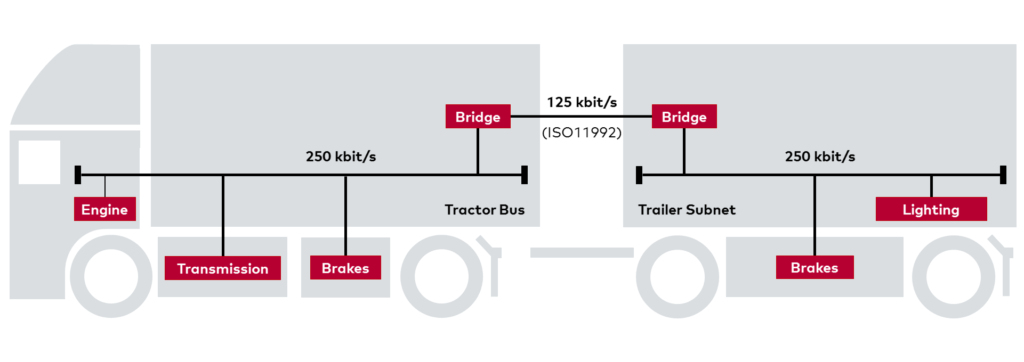
With recent advancements in CAN communication and assurance protocols, I specialize in implementing advanced SAE J1939 standards for autonomous vehicle platforms, including J1939‑91C for secure onboard communication and J1939‑22 for high‑performance CAN‑FD transport. My work spans architecting and validating secure, deterministic data exchange across distributed ECUs, autonomy compute modules, and drive‑by‑wire systems. By leveraging J1939‑91C’s authenticated messaging and encryption capabilities alongside J1939‑22’s enhanced bandwidth and flexible transport protocols, I ensure robust communication performance for perception, actuation, diagnostics, and other safety‑critical functions. This includes standardizing message sets, optimizing gateway strategies, and validating interoperability within complex system‑of‑systems environments. Through simulation, digital‑twin testing, and rigorous compliance practices, I enable autonomous platforms to achieve predictable behavior, cybersecurity resilience, and seamless integration across OEM and supplier ecosystems.
Rear Air Suspension
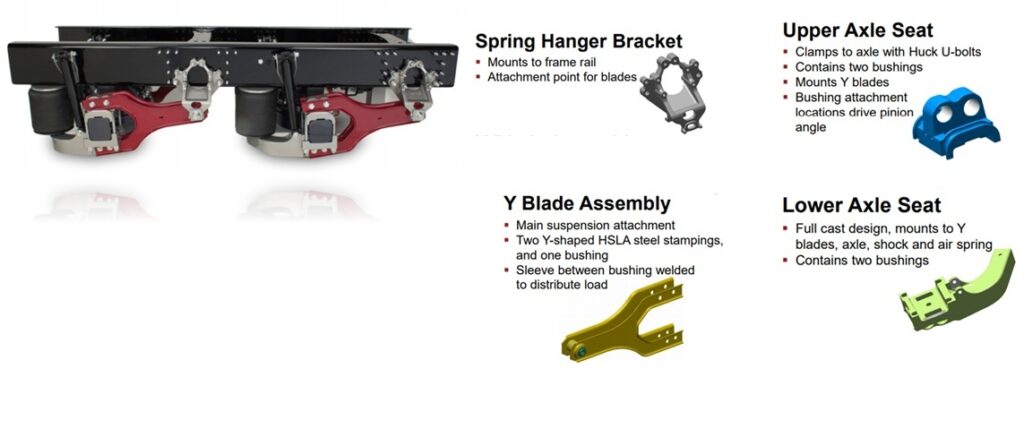
As an engineering leader, I spearheaded the design, development, and validation of the Mack Twin Y suspension system, a breakthrough in heavy-duty vehicle ride performance and durability. My role involved aligning cross-functional teams to optimize the Twin Y’s unique dual-yoke architecture, integrating advanced air spring dynamics, and ensuring robust structural integrity under demanding load conditions. I led simulation and physical testing efforts to validate system behavior across diverse terrains, focusing on ride comfort, axle articulation, and long-term reliability. This work contributed to a suspension platform that delivers superior handling, reduced maintenance, and enhanced safety for commercial fleets
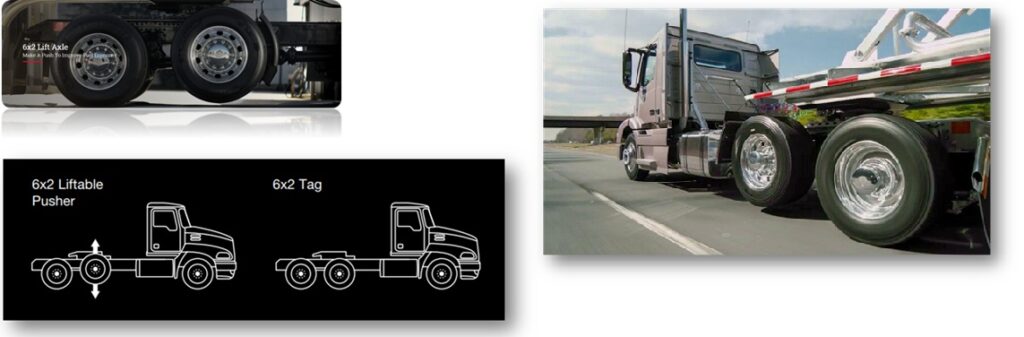
6×2 Liftable Pusher Axle Suspension
As an engineering leader, I played a key role in advancing the Volvo 6×2 Liftable Pusher Axle—an innovative configuration designed to improve efficiency, traction, and lifecycle value for modern fleets. Working closely with cross‑functional Volvo engineering teams and supplier partners, I helped guide the system architecture, integration strategy, and validation efforts that underpin Volvo’s Adaptive Loading technology. This included ensuring seamless coordination between the liftable pusher axle, air‑suspension controls, and weight‑sensing logic to deliver predictable, safe, and fuel‑efficient performance across varying load conditions.
The 6×2 liftable axle provides fleets with measurable operational benefits. By automatically lifting the pusher axle when the truck is lightly loaded, the system reduces rolling resistance and improves fuel economy. It also enhances traction by shifting weight to the drive axle when needed, improving vehicle stability and drivability in challenging conditions. Fleets benefit from reduced tire wear, lower maintenance costs, and improved component longevity due to optimized loading and unloading dynamics. For customers, this translates into lower total cost of ownership, better payload flexibility, and a more responsive vehicle that adapts intelligently to real‑world duty cycles.
Through my involvement, I helped ensure the system met rigorous performance, durability, and safety requirements—ultimately delivering a technology that strengthens fleet profitability while elevating the driving experience.
Sources:
Link Mfg – 6×2 Liftable Axle
TEC Equipment – Adaptive Loading Overview
Truck News – Volvo’s Adaptive Loading
Proprietary Air Disc Brakes
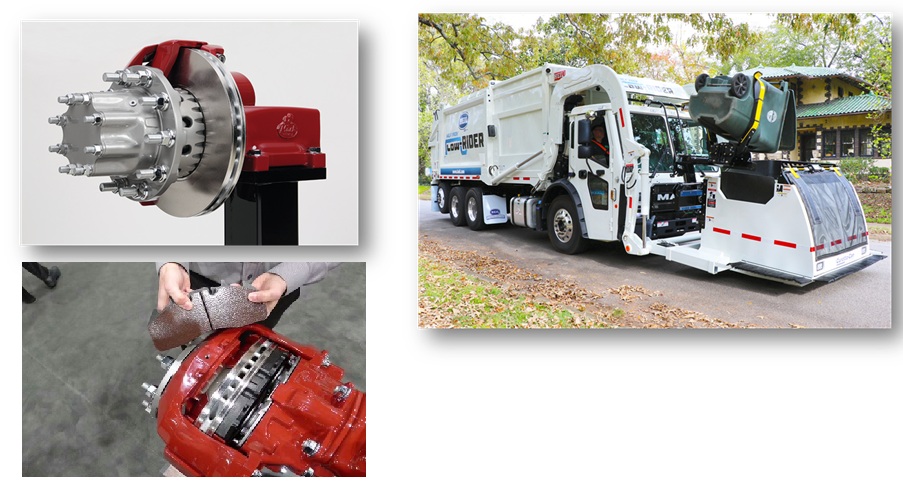
Volvo and Mack’s proprietary air disc brake systems are engineered to deliver superior stopping performance, durability, and thermal stability—meeting the demanding requirements of FMVSS 121 Phase 2 stopping‑distance regulations. These advanced brake systems incorporate ventilated rotor technology, which significantly improves heat dissipation during high‑energy braking events. By reducing thermal saturation, the ventilated design minimizes brake fade, enhances braking consistency, and extends pad life under severe duty cycles.
As an engineering leader, I contributed to the development and validation of these braking systems by aligning cross‑functional teams across design, materials engineering, and vehicle integration. This included optimizing caliper architecture, rotor geometry, and airflow pathways to ensure the brakes maintained structural integrity and performance across a wide range of load and temperature conditions. The result is a braking platform that delivers shorter stopping distances, improved fade resistance, and lower total cost of ownership for fleets—reinforcing Volvo and Mack’s commitment to safety, reliability, and long‑term operational value.
Vehicle Dynamics
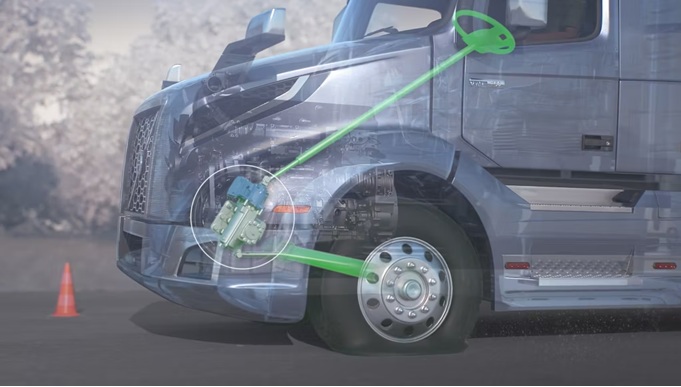
I applied core vehicle dynamics principles to lead the design and development of a next‑generation steer suspension for Volvo’s heavy‑duty platforms. My work centered on optimizing suspension kinematics, compliance characteristics, and load transfer behavior to achieve precise steering response, predictable handling, and improved ride quality. I guided the refinement of caster, camber, KPI, toe curves, and roll‑steer characteristics to ensure stability across all loading conditions while minimizing tire wear and steering effort. Using simulation‑driven analysis—covering modal behavior, lateral dynamics, vertical ride, and transient response—I helped ensure the suspension delivered balanced understeer gradients, controlled roll stiffness distribution, and superior road‑holding. By integrating these dynamics principles with advanced air‑spring and damping strategies, I contributed to a steer suspension system that enhances driver confidence, improves maneuverability, and supports Volvo’s commitment to safety and premium driving performance.
Digital Mirrors
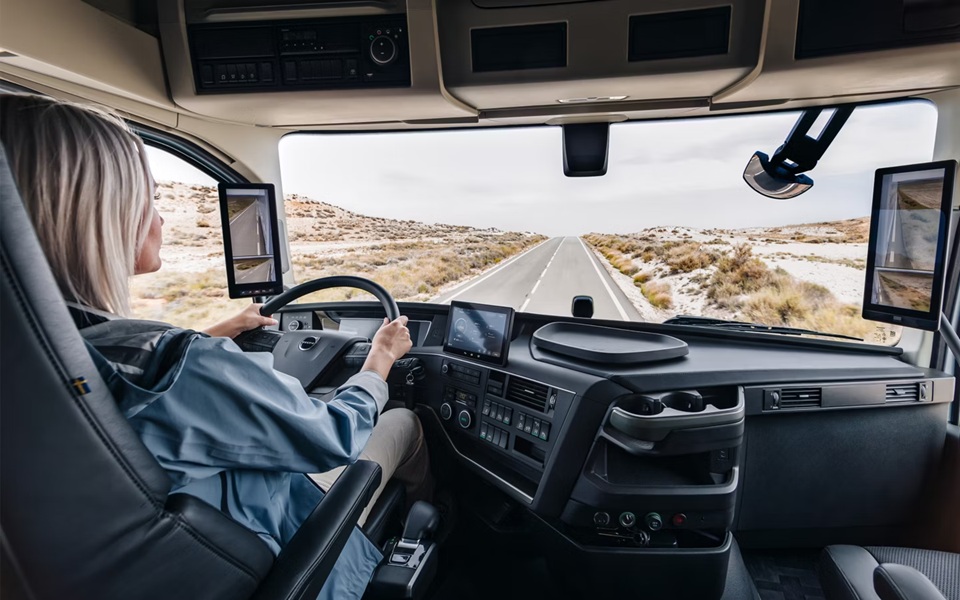
I led the engineering integration of the Camera Monitoring System (CMS), or digital mirror solution, for the Volvo VNL in collaboration with Stoneridge, bringing next‑generation visibility and aerodynamic efficiency to the platform. My work focused on aligning Volvo’s vehicle architecture with Stoneridge’s advanced camera and display technology, ensuring seamless electrical, mechanical, and software integration. I guided system validation across a wide range of lighting, weather, and operational conditions to guarantee reliable object detection, reduced blind spots, and improved driver situational awareness. By replacing traditional mirrors with a streamlined digital system, the solution enhances safety, reduces aerodynamic drag, and improves fuel efficiency—delivering measurable value to fleets while elevating the driver experience